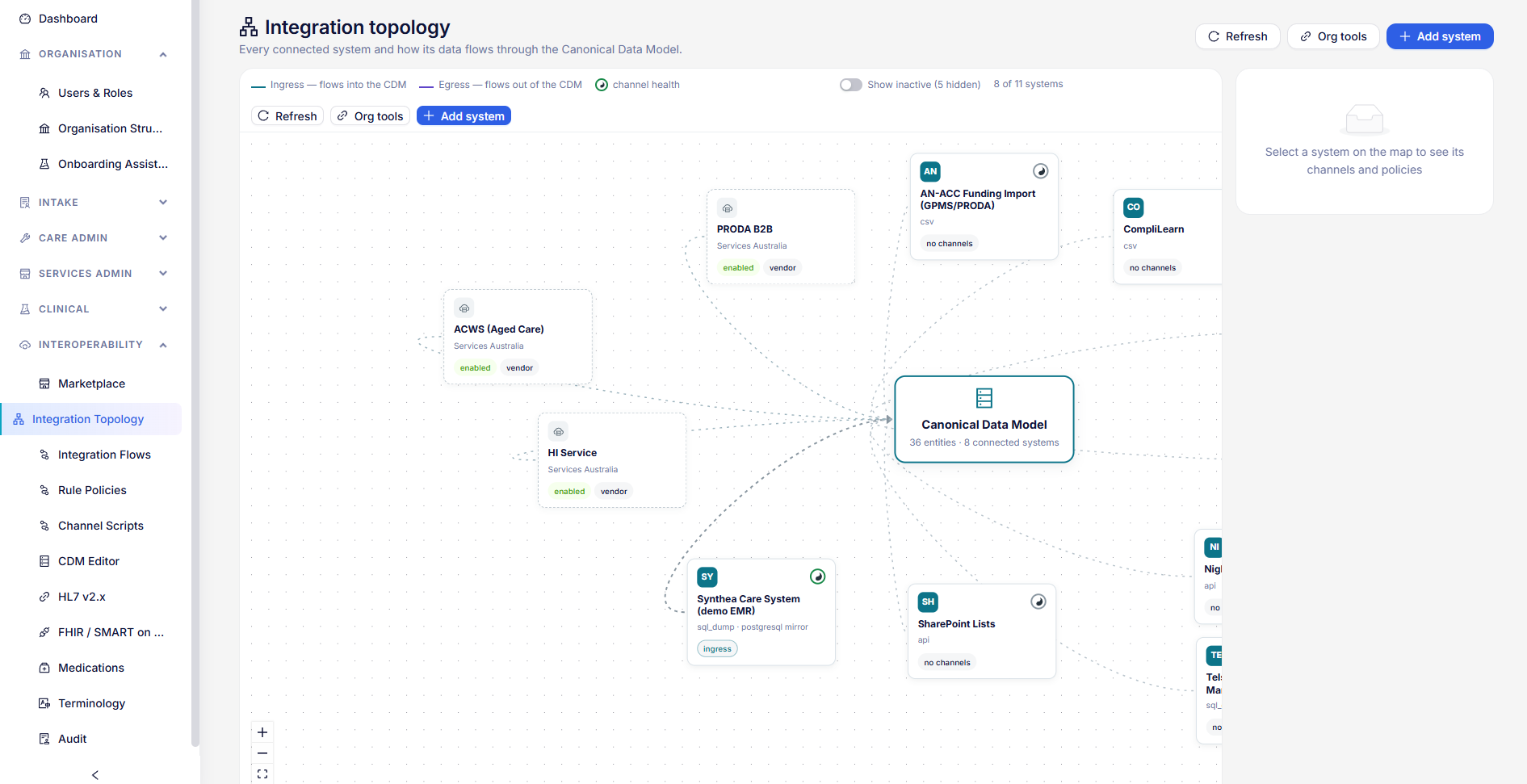
Hospital intake and discharge, coordinated
Hospital margins are too thin for hand-worked admin. Patients move from admission to discharge with nothing re-typed, and the claim is ready to lodge.
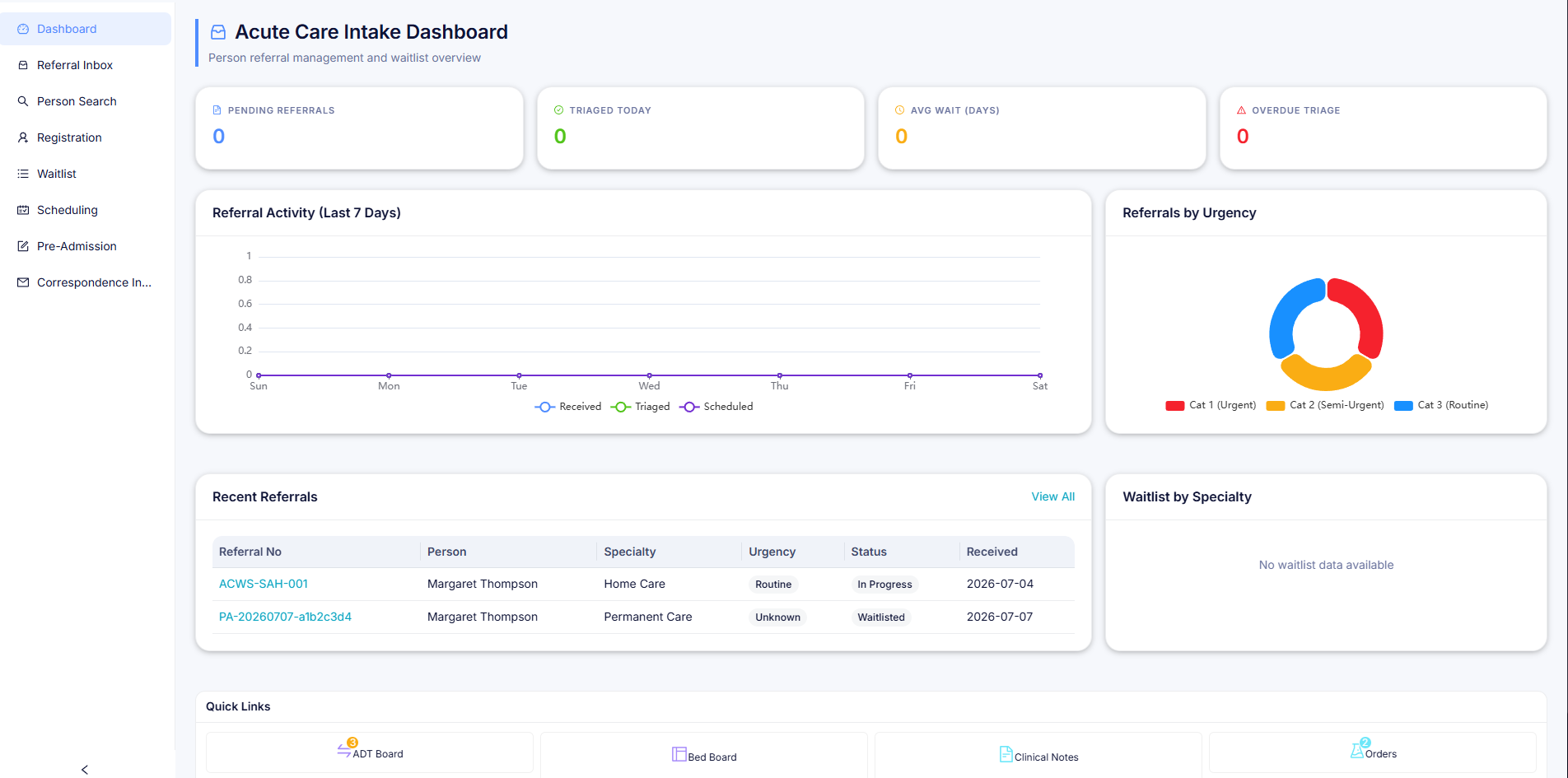
Every channel lands in one queue.
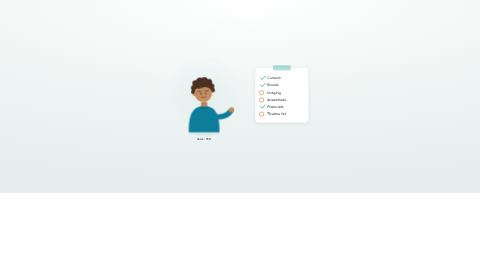
Medicare, DVA and IHI checked; forms done at home.
A structured handoff to community care.
Diagnoses and procedures against a pre-existing baseline.
From referral to discharge, connected
Centralise referrals and lose the fax machine
Referrals arrive by fax, email, phone and portal, and each one enters a different queue. Checking Medicare eligibility, national health identifiers (IHIs) and DVA entitlements before admission is manual and delays everything. When a patient is ready to leave, arranging home care, allied health and follow-up means phone calls and faxes to several providers. HealthOS centralises referrals, verifies Medicare before admission and coordinates discharge to community care.
One referral inbox
Email, fax, portal and phone referrals land in a single queue. Integration with your organisation's email platform parses email referrals automatically.
- Unified referral inbox
- Email referral parsing
- Triage and priority assignment
- Pre-admission pipeline
Medicare verification, built in
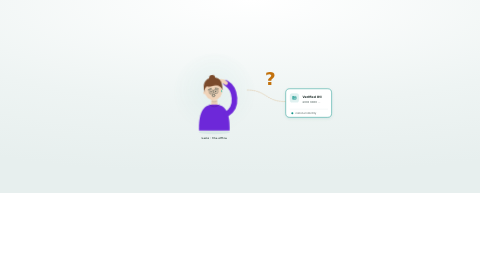
Verify Medicare numbers, check DVA eligibility and look up the national health identifier (IHI) directly from the patient record, before admission.
- Medicare number validation
- DVA eligibility checking
- IHI lookup via the HI Service
- Secure government login (PRODA)
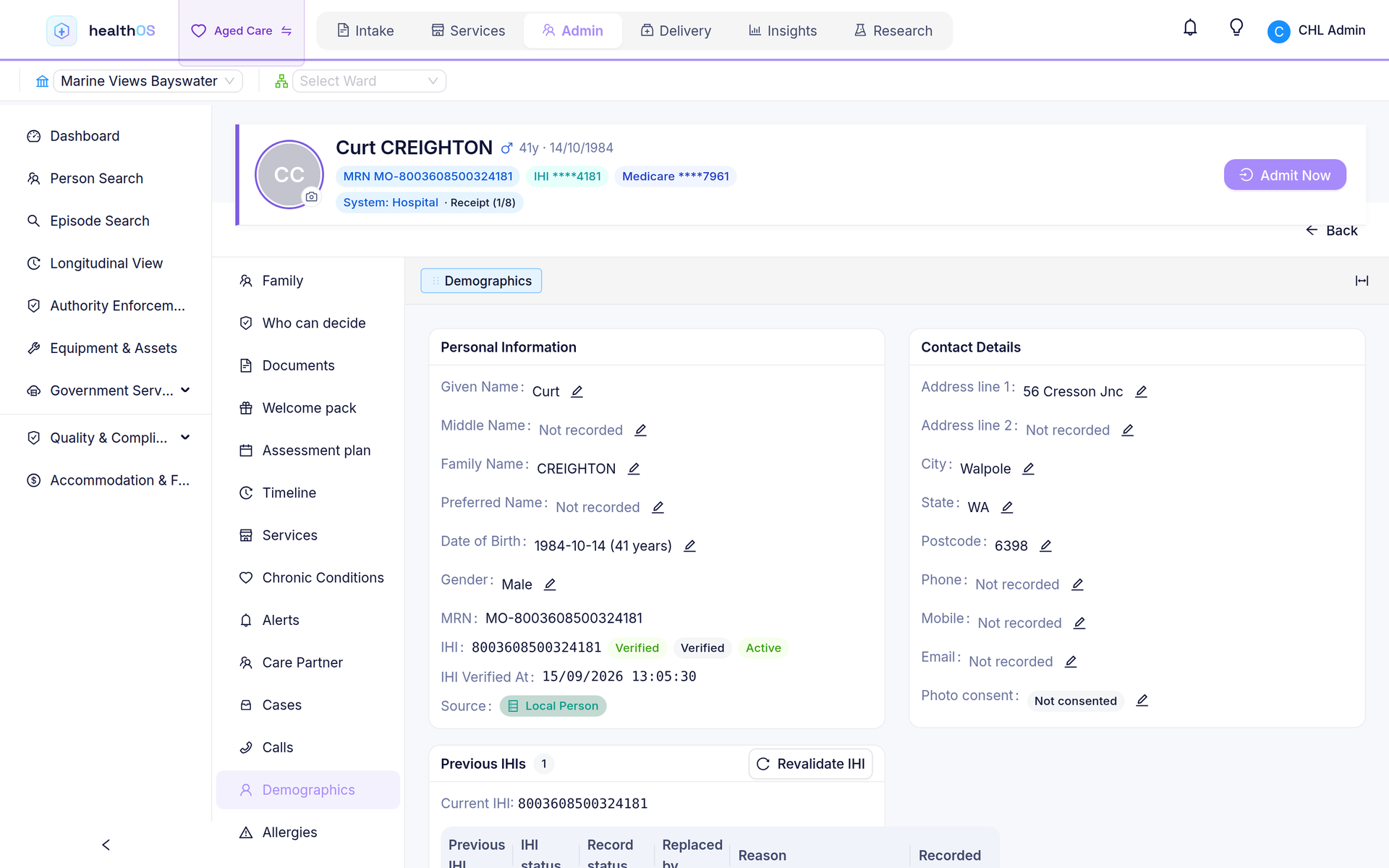
Pre-admission starts on the patient's couch
HealthOS Connections is for patients as well as families. Before admission day, patients open one emailed link, with no password and no app store, and complete their pre-admission from home: health questionnaires, what-to-expect education packs and the documents that need signing, informed financial consent included. By the time they arrive, the paperwork is done and the clinical team already has the answers. See the patient portal.
- Pre-admission forms completed before arrival
- Education packs walk patients through their procedure
- Informed financial consent signed electronically
- The same portal keeps family in the loop during the stay
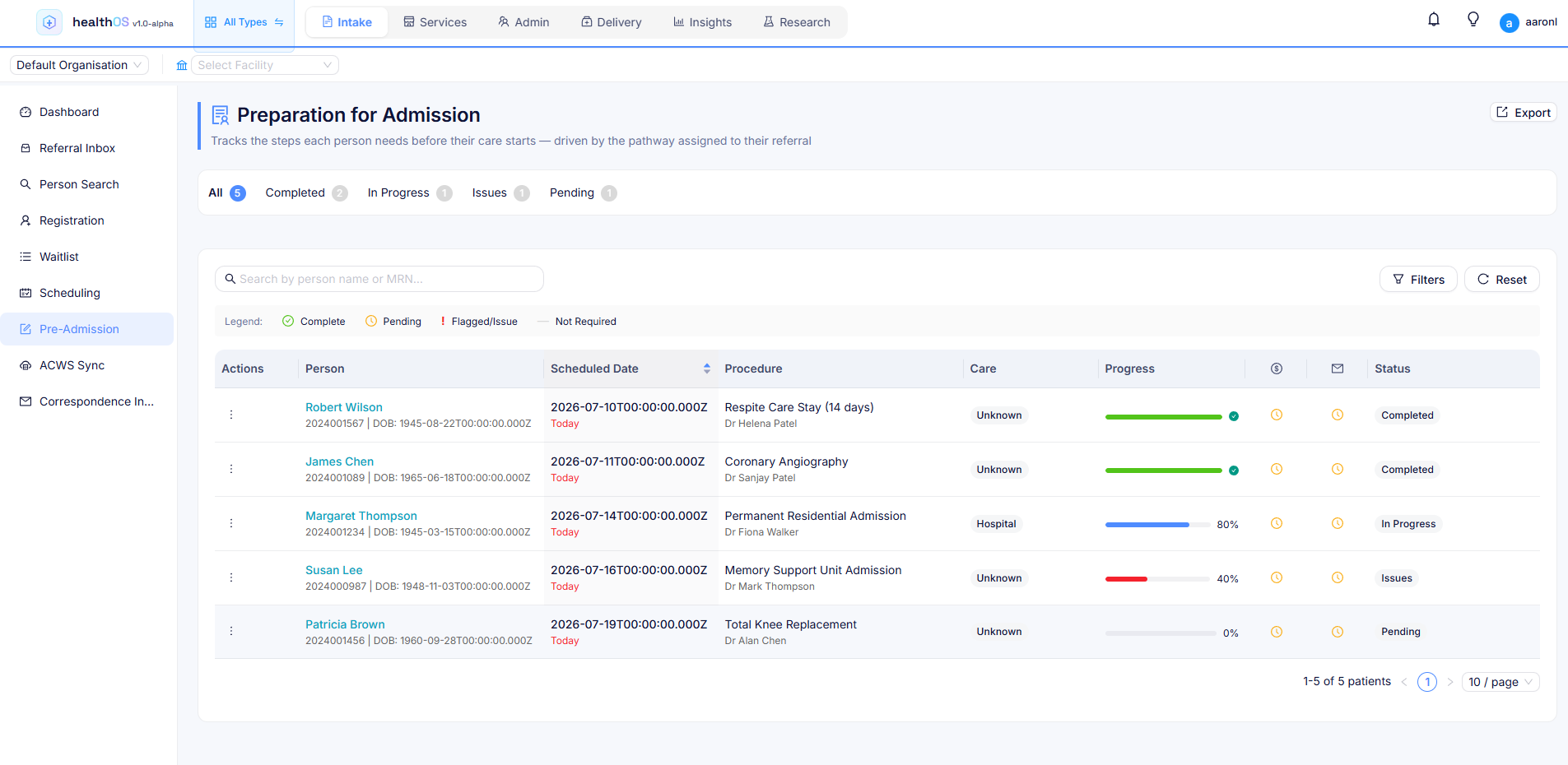
Discharge to community in one handoff
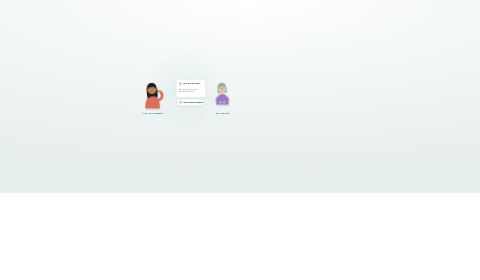
This is where sharing a platform pays off. When the receiving home care, aged care or allied health provider also works on HealthOS, discharge is a structured handoff instead of a fax. Send the referral and share the discharge summary. The community provider picks the person up on a pathway of their own, and the hospital can see it happen.
- Structured discharge referral to community and residential providers
- Discharge summaries assembled from the whole stay
- Diagnoses and procedures coded on the episode
- Follow-up and allied health coordination tracked on the pathway
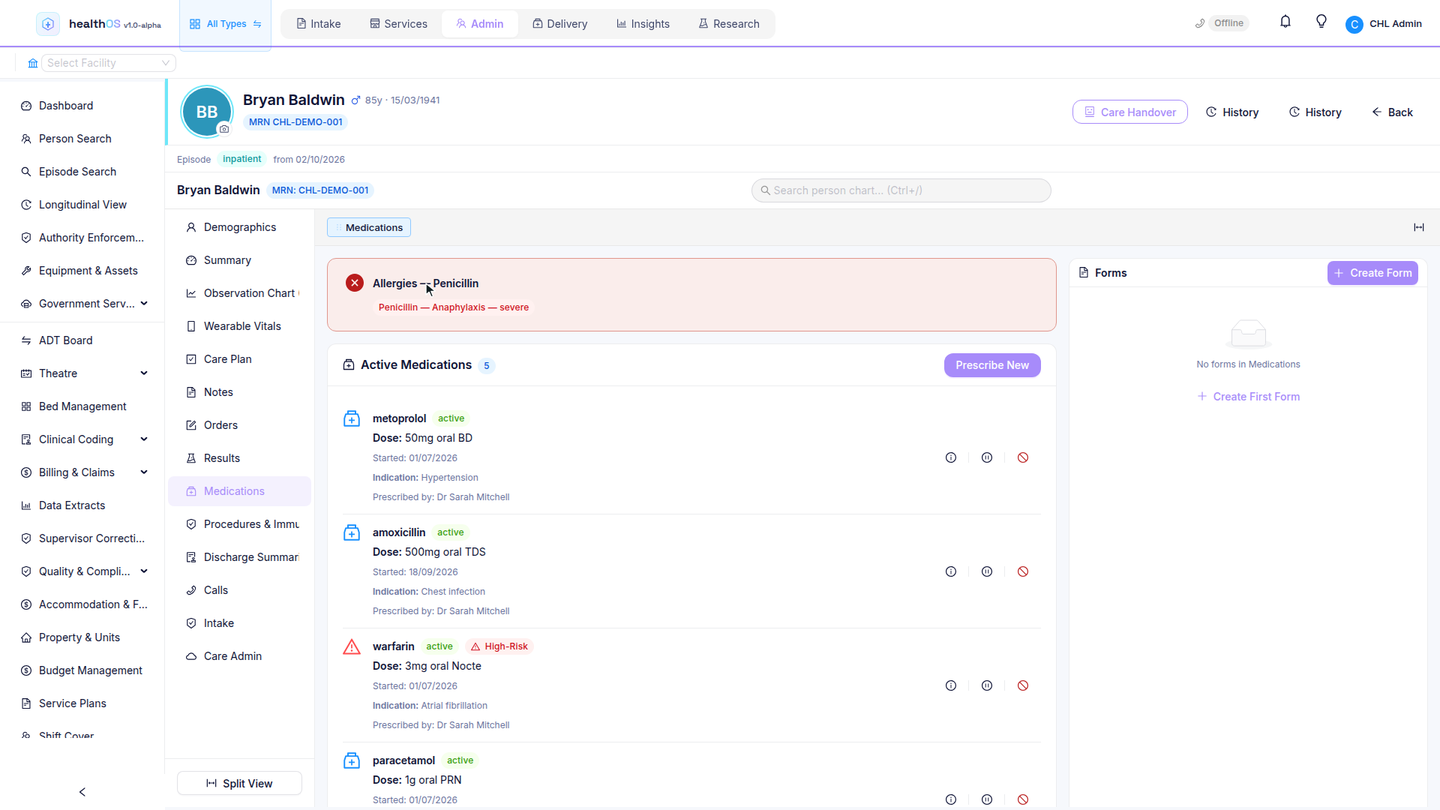
Coding that follows the patient
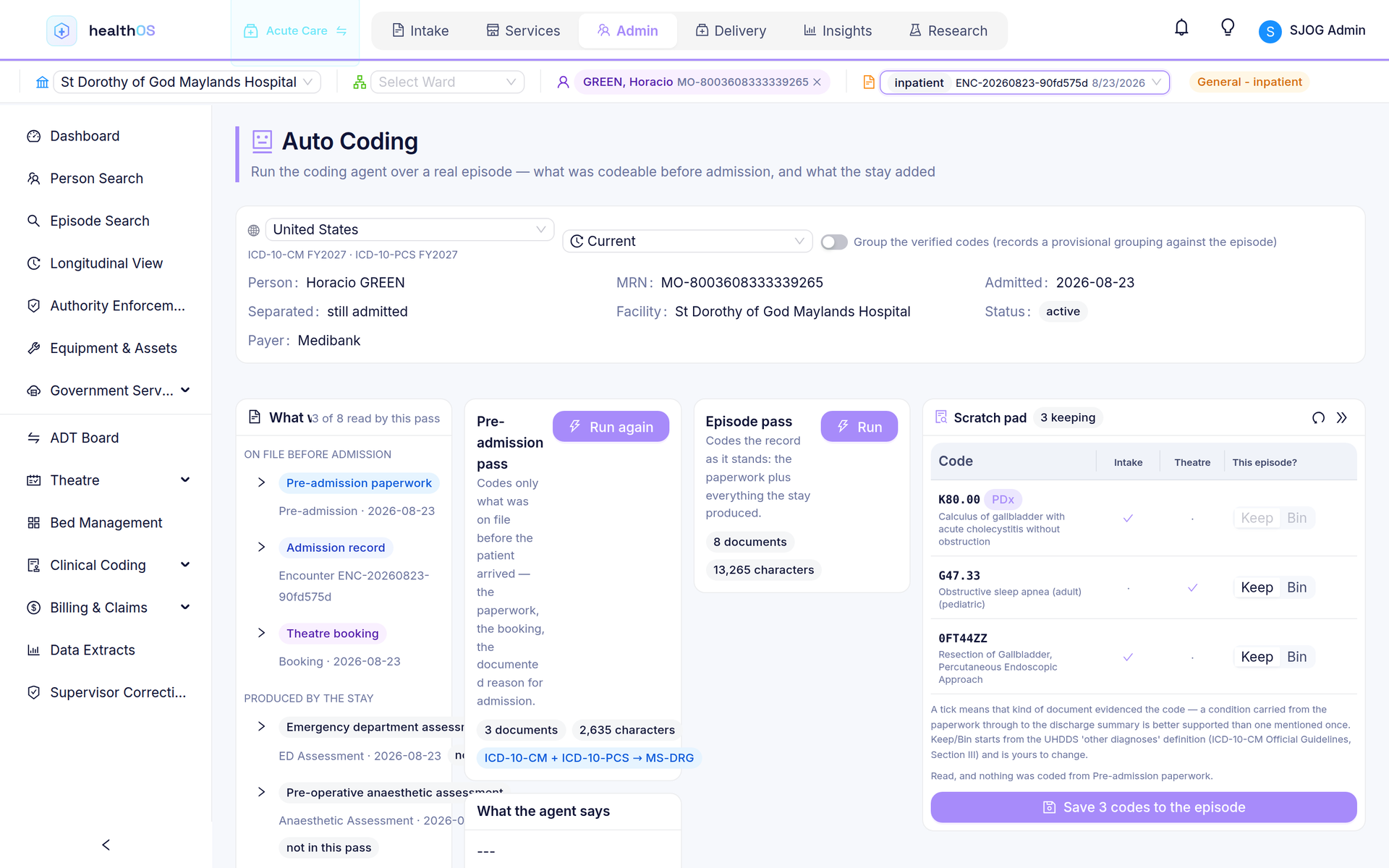
The hardest part of coding an episode is telling what the patient arrived with from what the stay added. HealthOS holds the pre-admission record, so at admission it freezes a pre-existing baseline for the episode and the coder works on the difference: the principal diagnosis, additional diagnoses that affected management, and anything acquired on the ward. Condition onset flags and hospital-acquired complications come out of the same comparison.
- Pre-existing baseline built from the pre-admission record, referral, medications and My Health Record
- Coder worklist, HIM allocation and coding queries
- Hospital-acquired complication screening on the episode's own conditions
- AR-DRG grouping to the official IHACPA specifications, once certified
Built-in connectors for acute care
The HI Service, PRODA and your email platform. See government services.
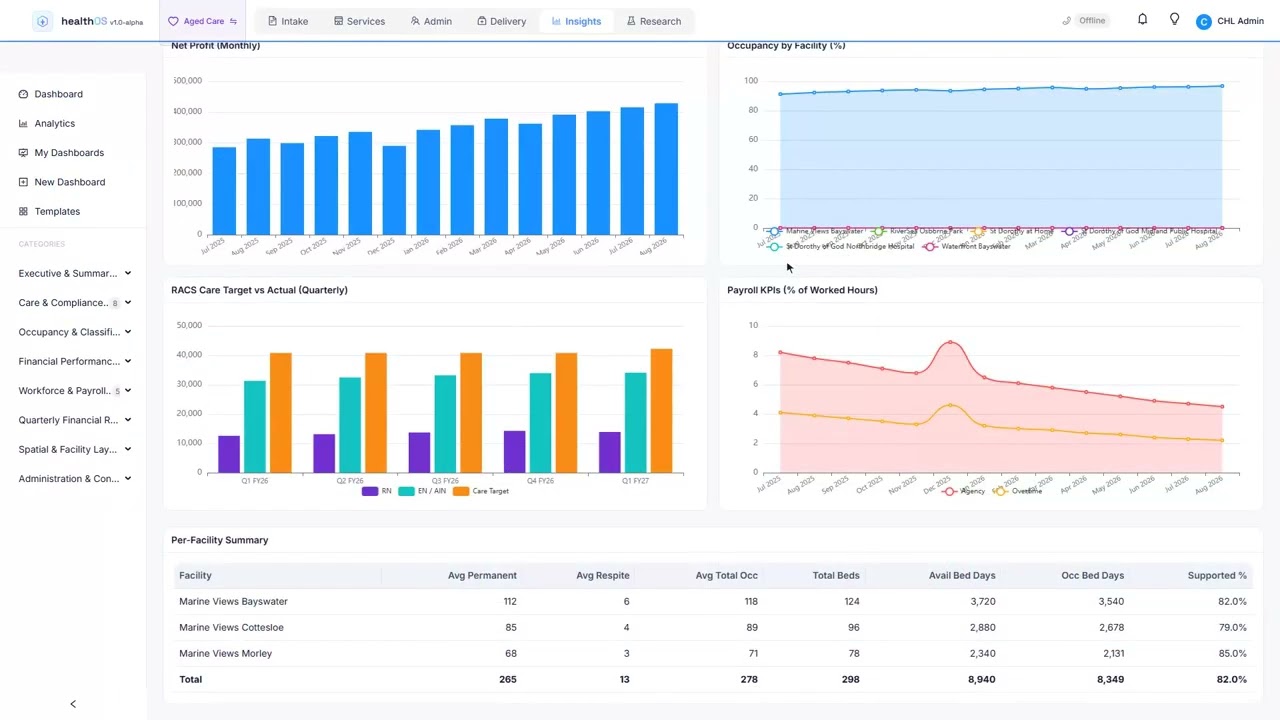
See it in action
 1:21
1:21
Related
See HealthOS in your hospital setting
We will walk you through it on real data. Bring the hardest thing your current platform can't do.