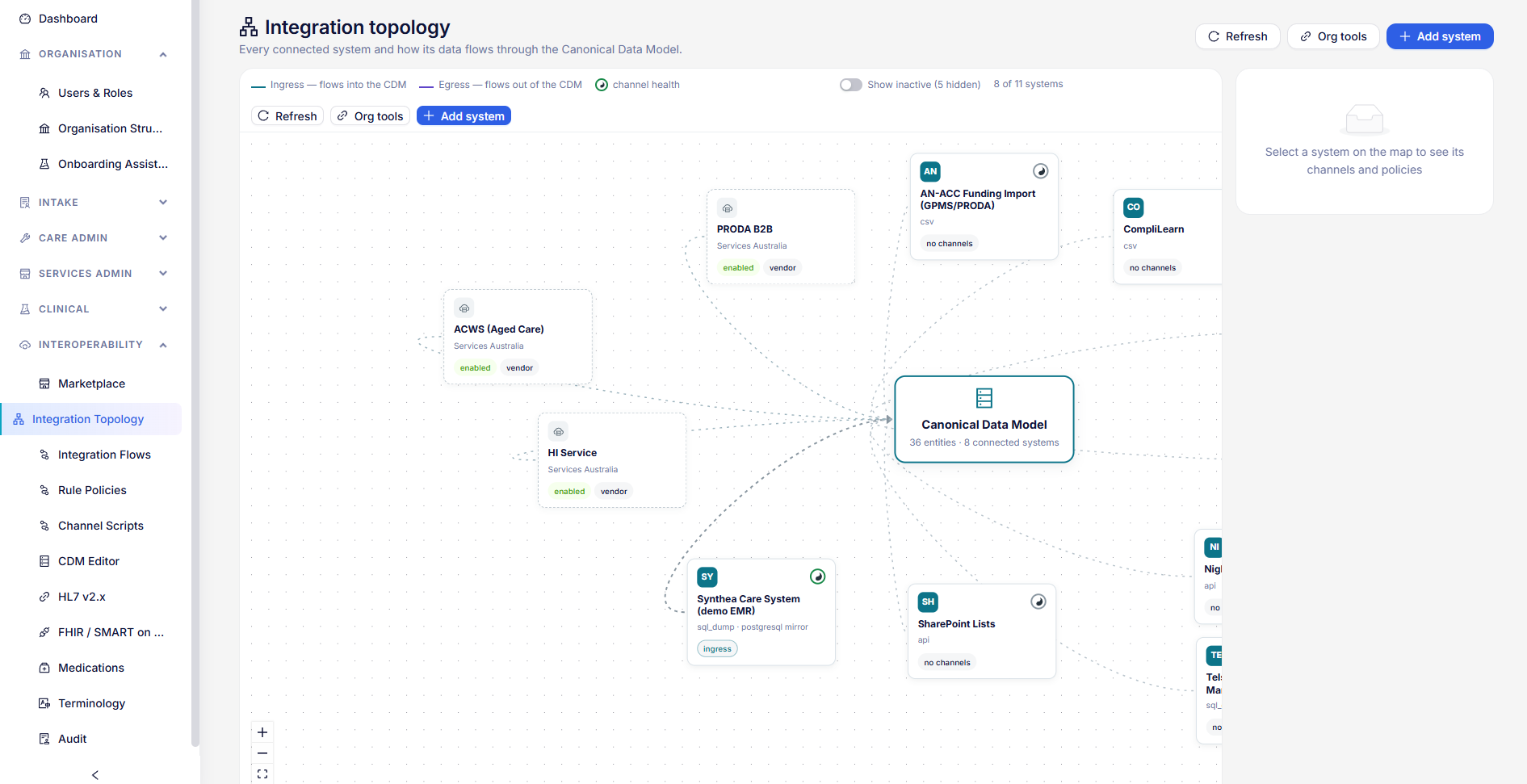
See the whole person, in one place
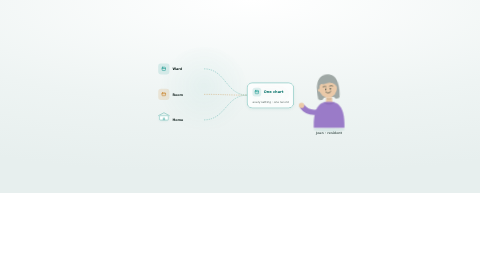
In a residential facility or on a hospital ward, a person’s past, present and planned care are on one screen. Write a note once and it reaches everyone who needs it.
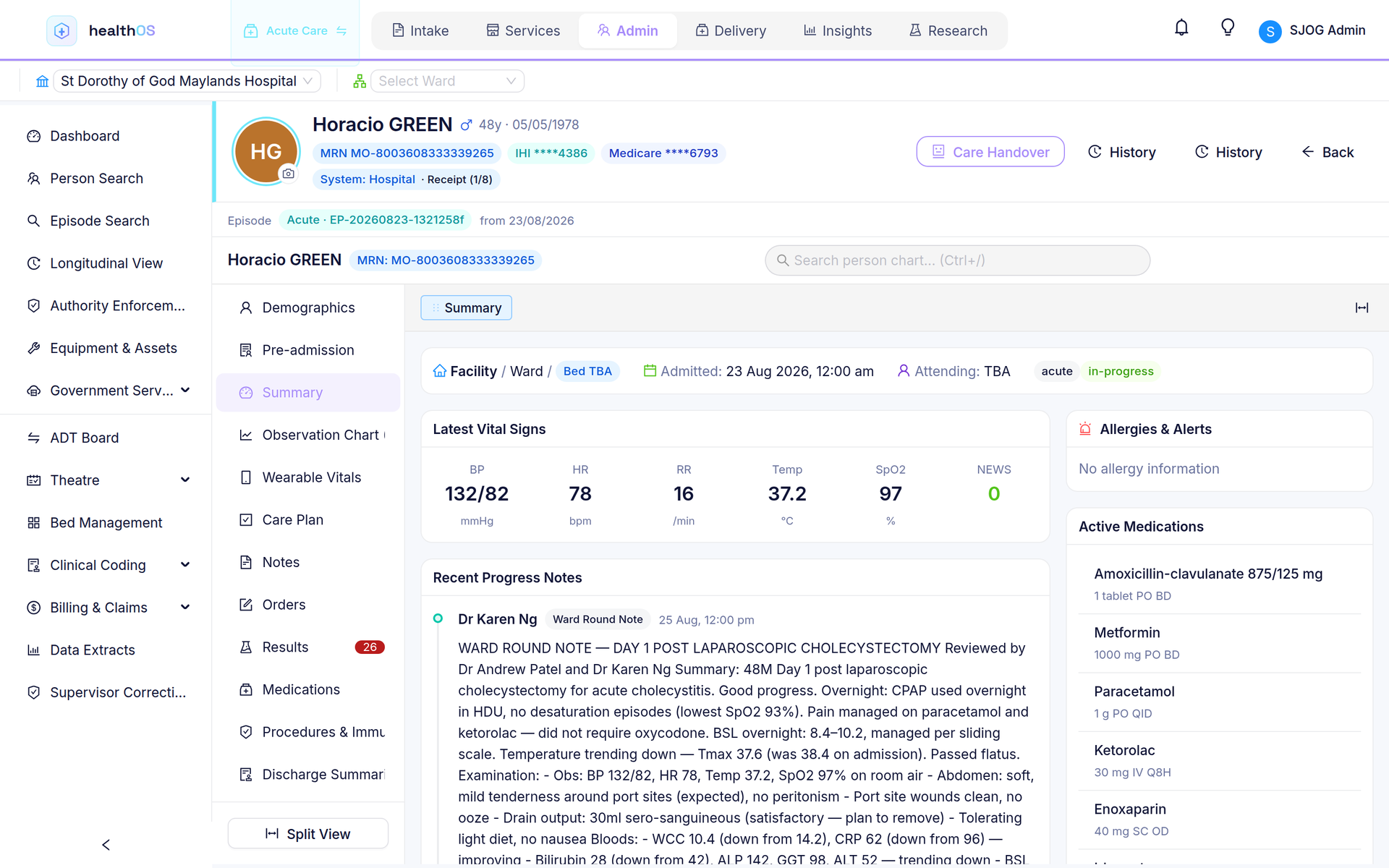
One chart that follows the resident to hospital and back, with nothing re-typed on return.
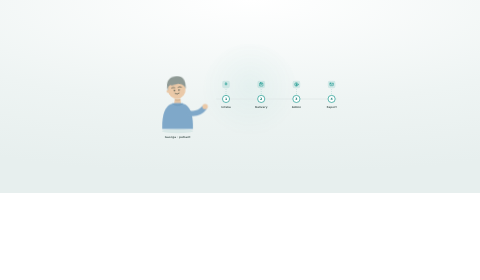
Admission to discharge on one record, with the discharge summary drafted from it.
Supports delivered are recorded as the shift happens, against the participant’s plan.
Working in clients’ homes? The worker app has its own page: Within the home.
The tools your team reaches for every shift
One chart across every setting
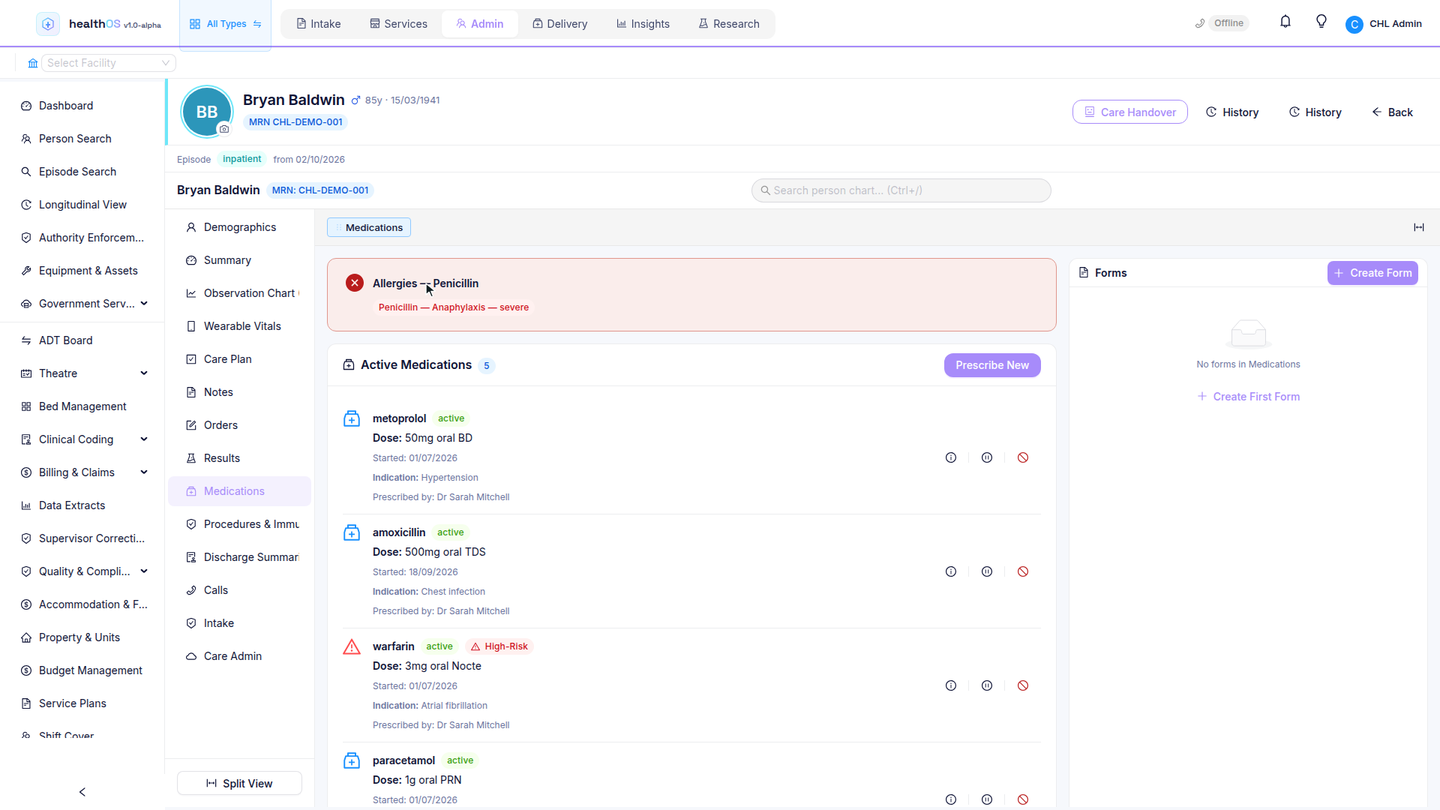
When a resident goes to hospital and comes back, or a client moves from home care into residential care, their history moves with them. Notes, allergies, medications and plans stay on one record.
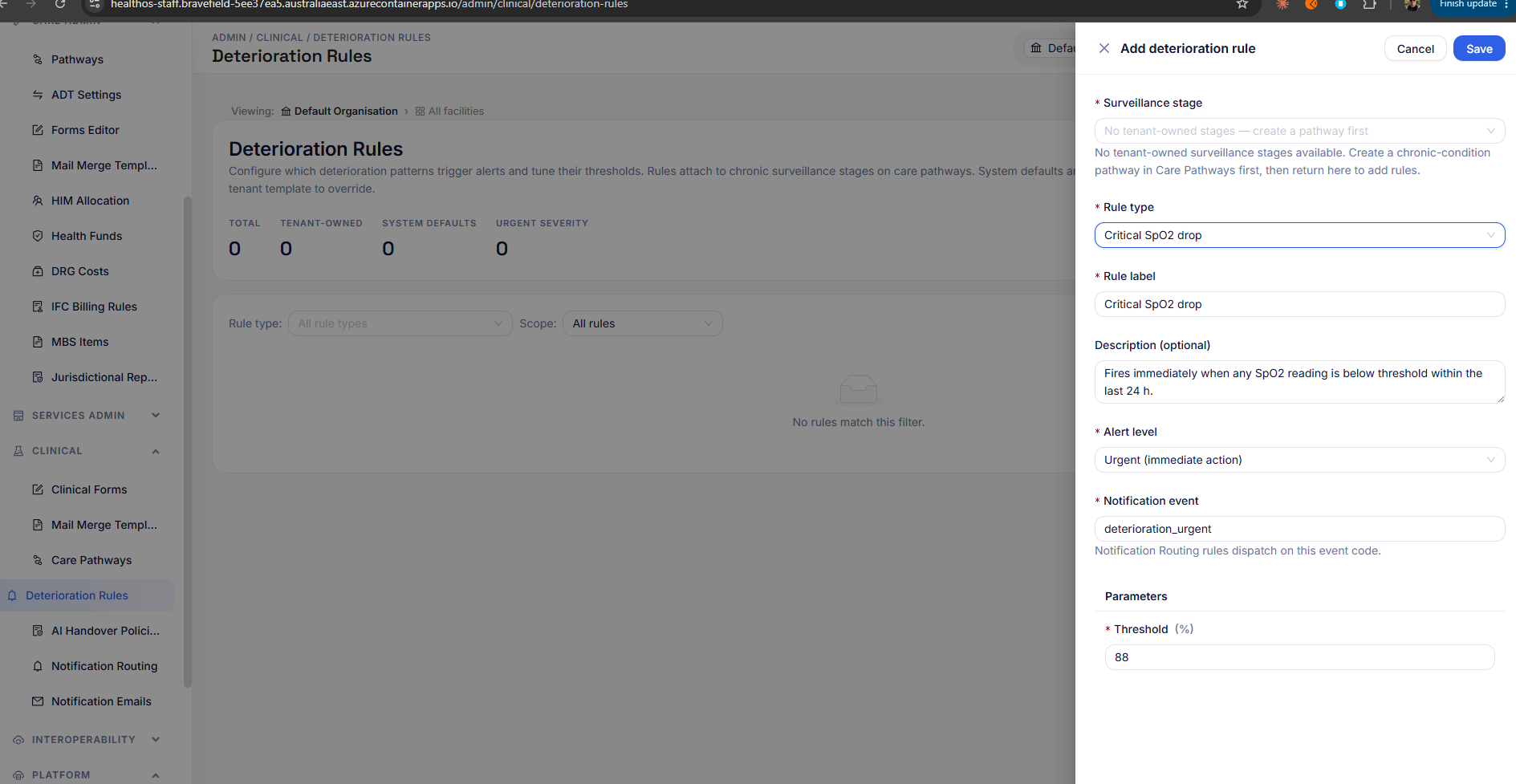
Change is flagged early
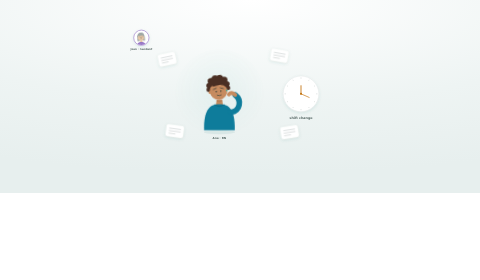
Deterioration rules watch observations and readings from connected devices, and alert the right person when a pattern appears. Your clinical team writes the rules.
Care tasks don’t fall through
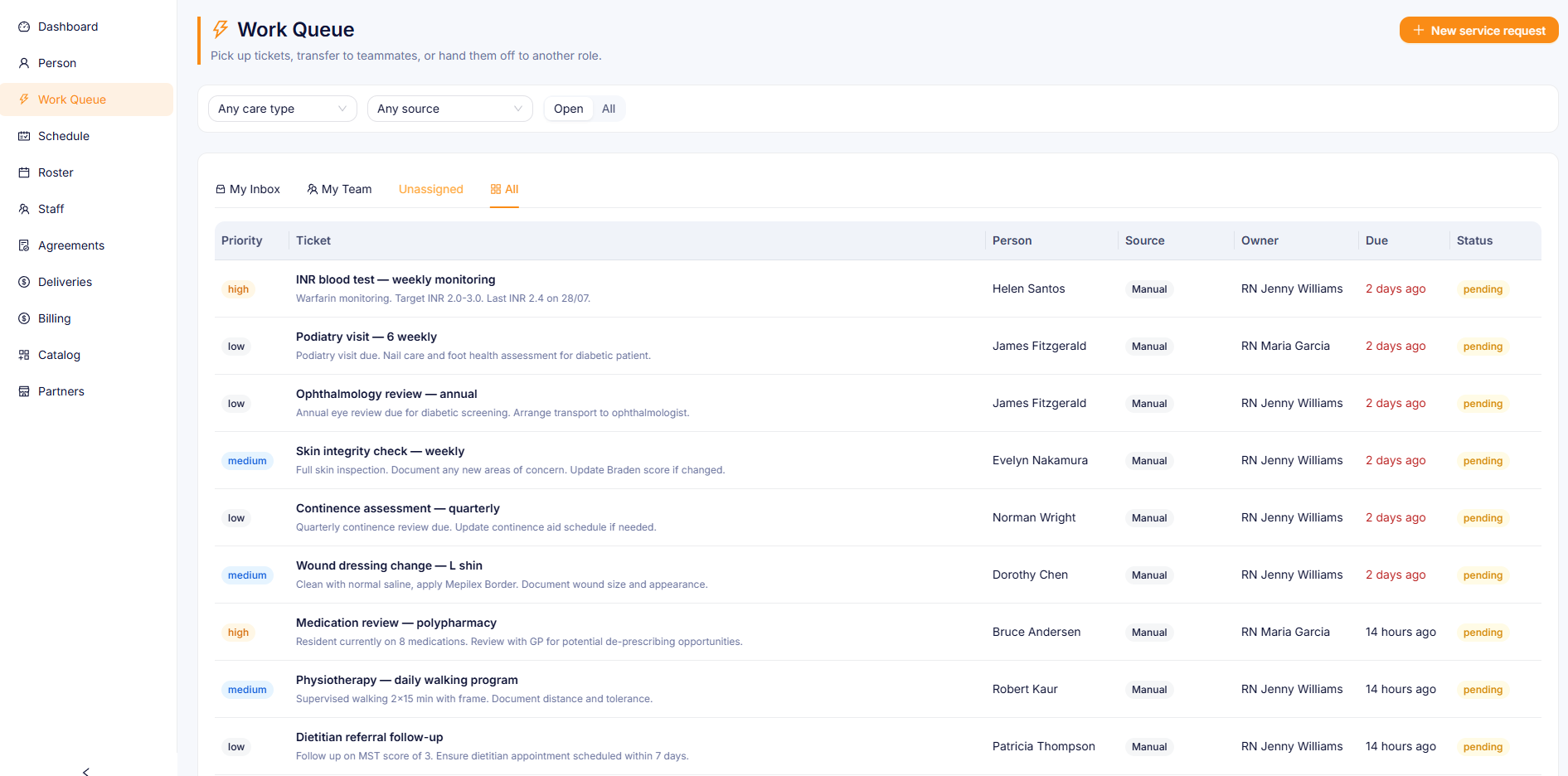
Blood tests, wound dressings and reviews land in a shared work queue. Pick one up, pass it to a teammate, or hand it to another role. Notifications go to roles rather than names, so agency and leave cover need no setup.
Pathways carry the steps
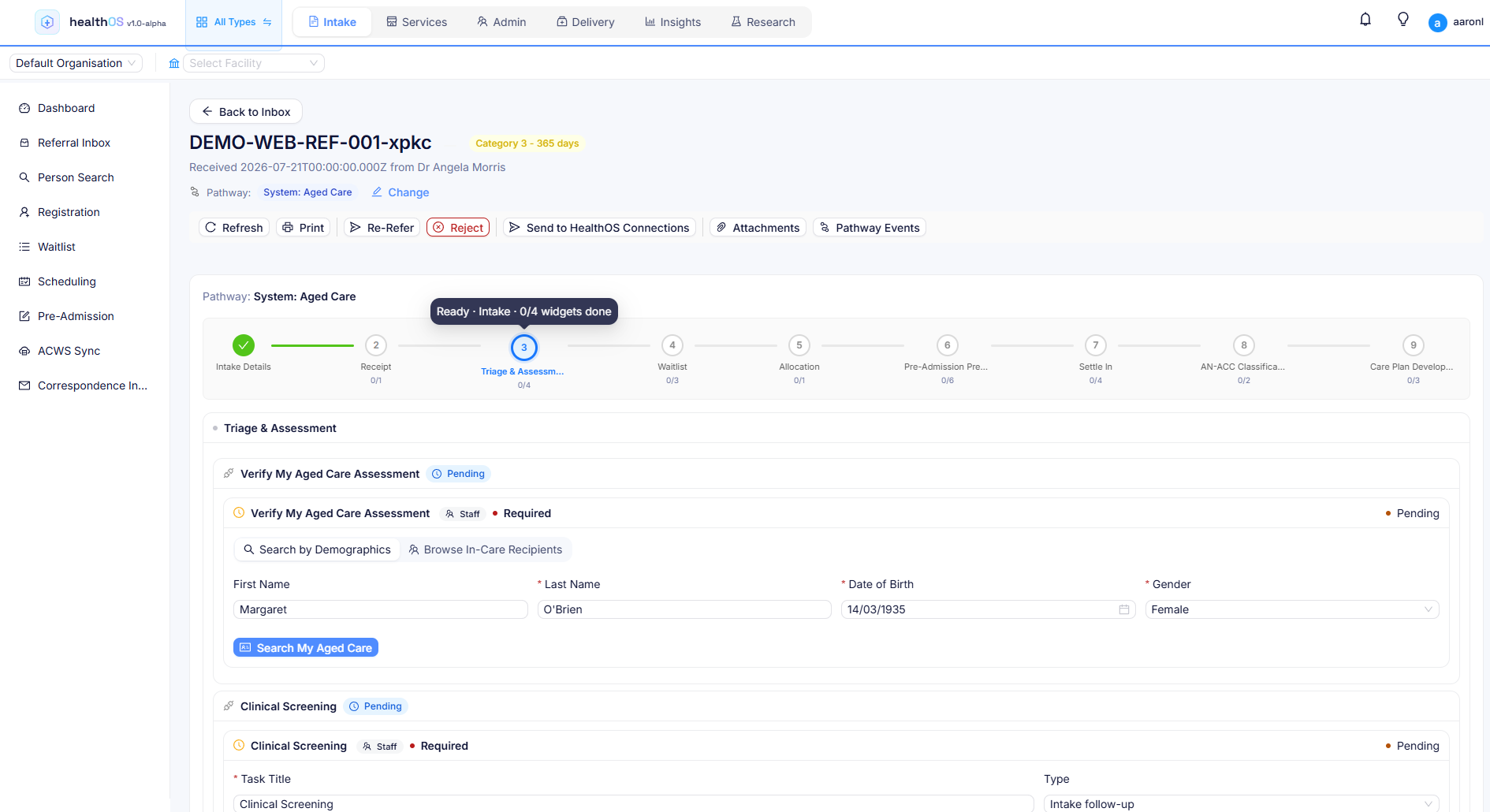
Admission, review and discharge follow a pathway your organisation sets. Staff see what’s next for each person, and nothing relies on someone remembering.
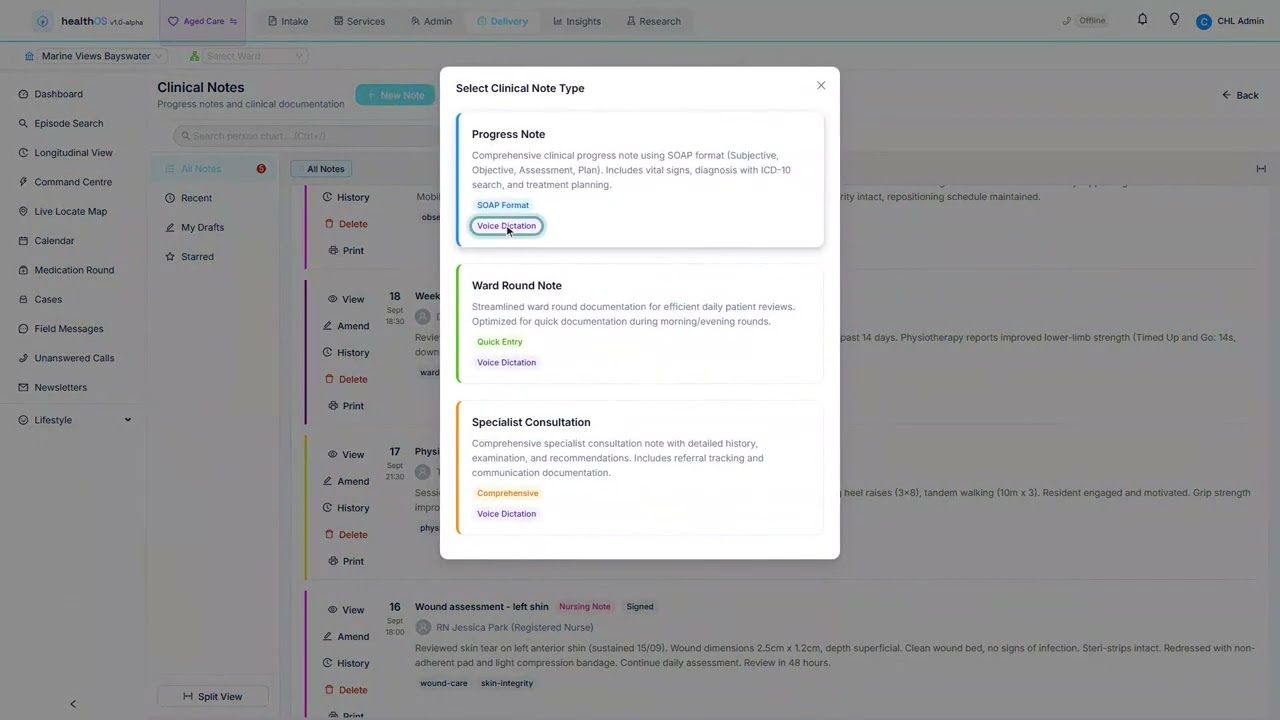
Notes by voice, signed by you
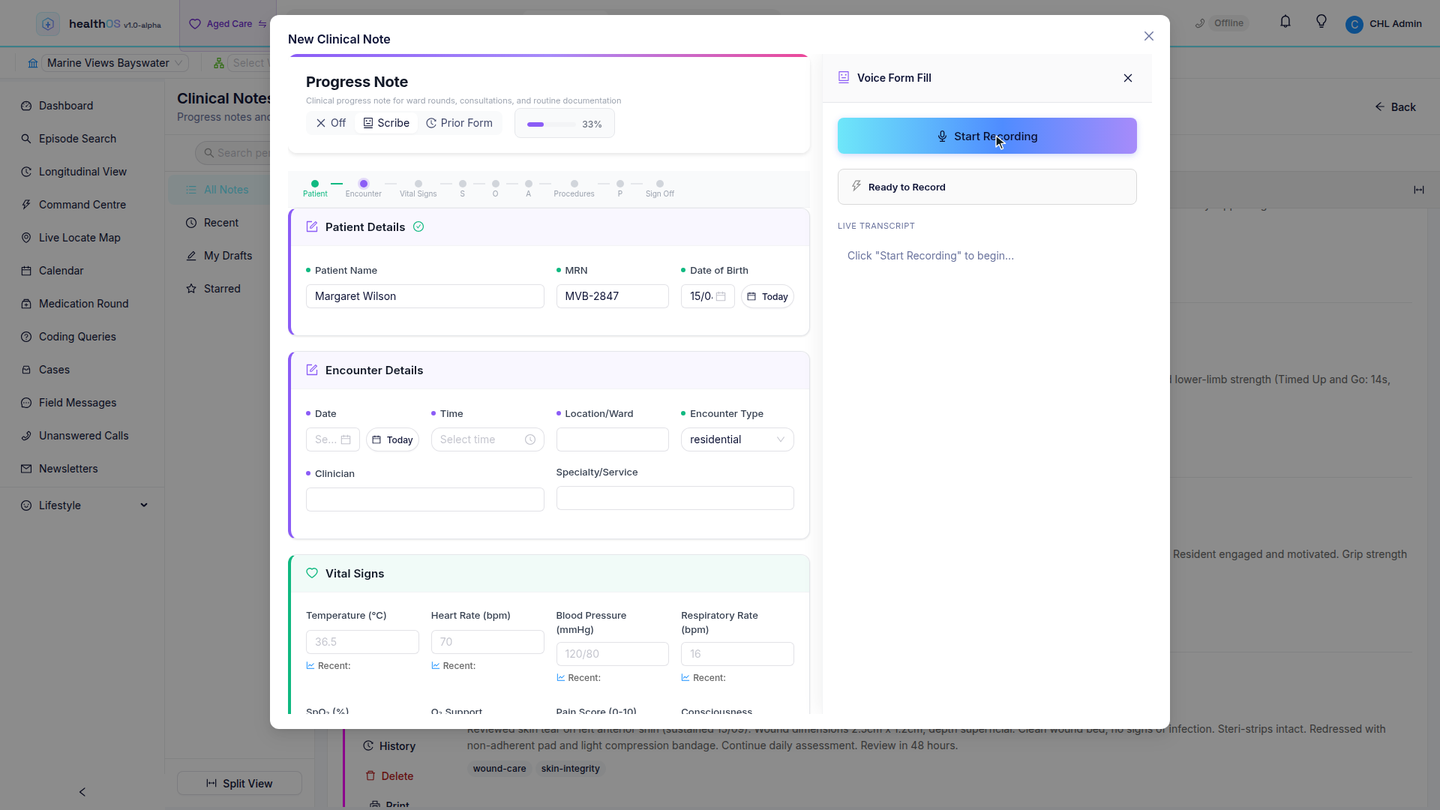
Push-to-talk dictation turns what you say into a structured note, fills in forms and charts vitals. Nothing is saved until the clinician reviews it and applies it.
Handover from the whole record
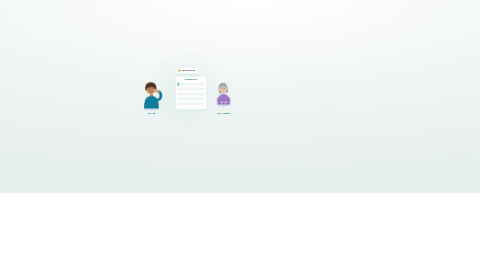
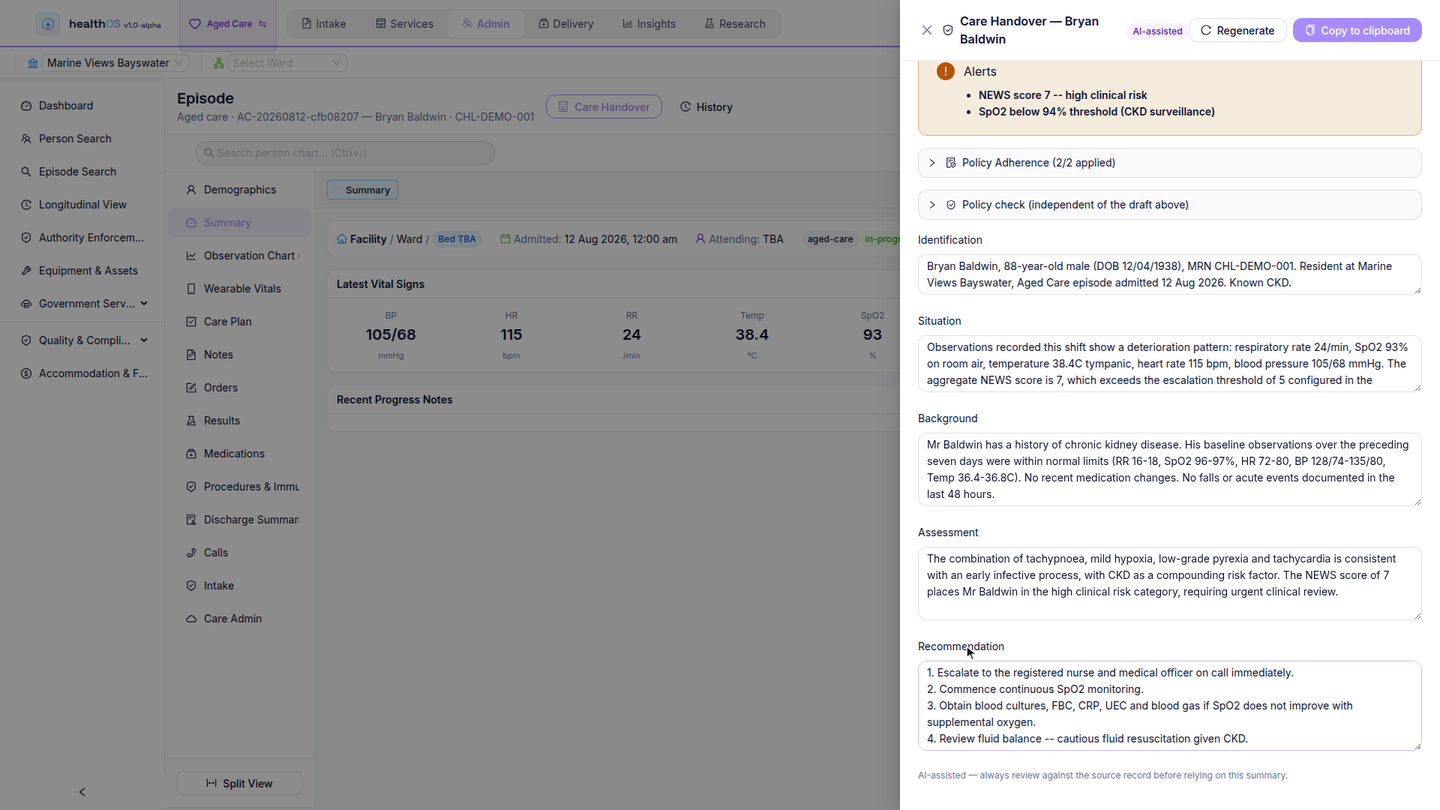
The AI handover reads the one connected record, so a summary includes what the GP wrote, what the pharmacist changed and what the physio found. A clinician reviews and signs every summary.
See it in action
 1:25
1:25